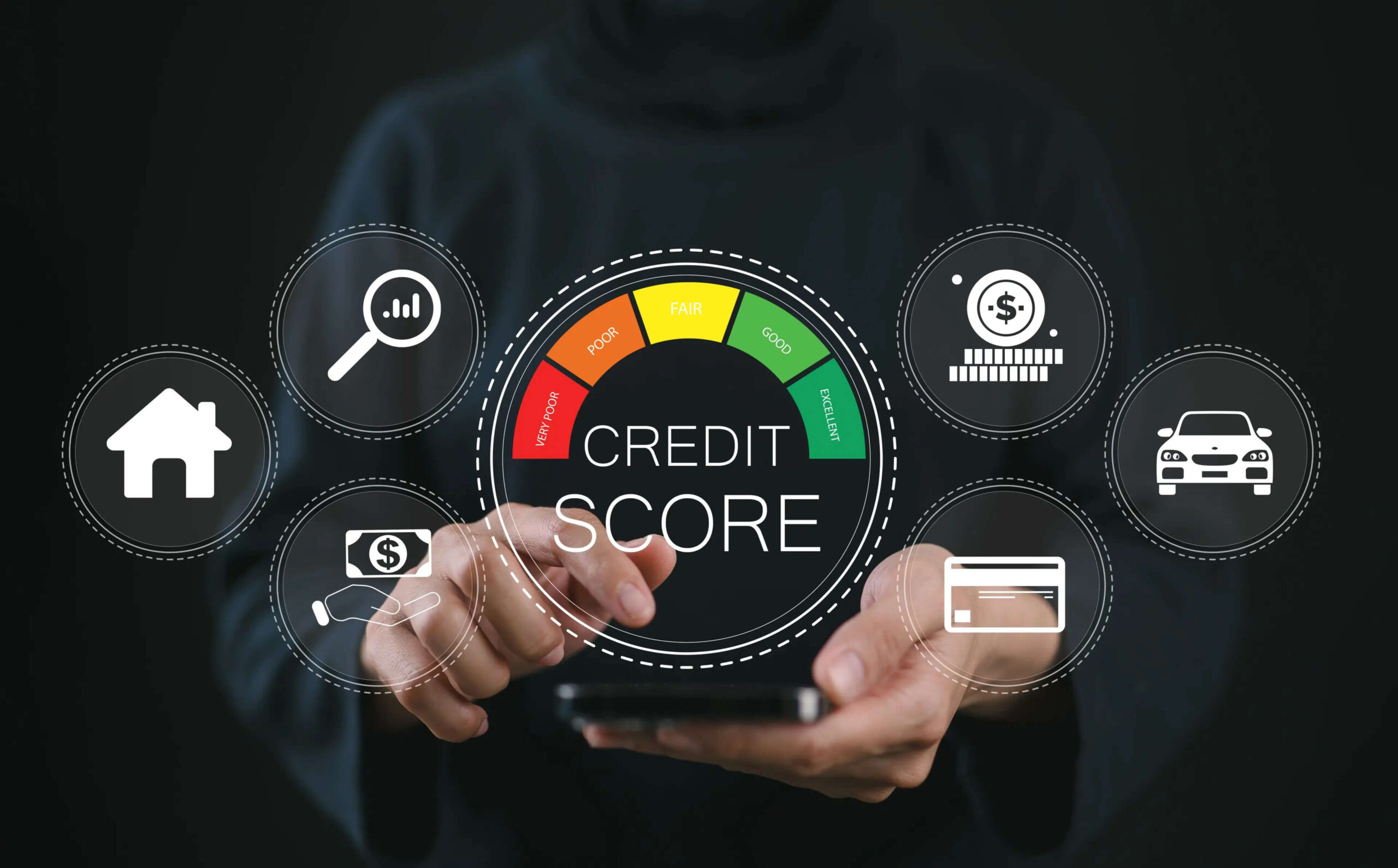
Understanding Credit Scores: A Comprehensive Guide to Boosting Your Financial Standing
A credit score is an integral part of modern financial life. Whether you want to apply for a loan, rent an apartment, finance a car, or get a credit card, your credit score can make a big difference. Credit scores are used by many financial companies to assess a person’s reliability and responsibility when borrowing money.
Understanding how credit scores work is critical for anyone looking to develop good financial habits and increase long-term financial chances. A good credit score can provide you with cheaper interest rates, better lending terms, and more financial flexibility. On the other hand, a low credit score may result in loan denial, higher interest rates, and fewer financial possibilities. The excellent news is that sensible financial behaviour can help you increase your credit score over time. This book will teach you what a credit score is, the important elements that influence it, and practical activities you can take to establish and maintain a solid financial reputation.
What is a credit score?
A credit score is a numerical assessment of your creditworthiness. It demonstrates how well you handle debt and financial obligations. Lenders, banks, and financial organisations use this number to assess the risk of lending money to you. Credit scores are usually based on information from your credit report, which includes:
- Payment History
- Debts that are not paid
- Credit account activity:
- Duration of credit use
- Recent credit applications.
Although scoring systems differ by region and organisation, higher scores often signify less financial risk.
Why credit scores are important
Your credit score influences a variety of financial decisions and opportunities. Maintaining a good score can give numerous benefits.
Loan approval is easier
- People with high credit ratings are more likely to be approved for loans and financing because lenders regard them as responsible borrowers.
Lower interest rates
- A good credit score can help you get cheaper interest rates on loans and credit cards, lowering your overall borrowing costs over time.
- Better Credit Card Offers. Individuals with excellent credit frequently receive better credit card rewards, limitations, and privileges.
Improved Housing Opportunities
- Some landlords check credit reports before approving rental applications. A good credit history may increase your chances of finding housing.
Increased financial flexibility.
- Good credit gives you easier access to financial instruments and emergency funds when you need them.
How Credit Scores are Calculated
Several essential elements affect your credit score. Understanding these characteristics allows you to make better financial decisions.
Payment History.
Payment history is typically the most critical element influencing your credit score. Lenders want to know if you consistently pay your bills on schedule. Late or missed payments can lower your credit score and stay on your report for years.
How to Improve Your Payment History
- Pay all bills before the due dates.
- Schedule payment reminders.
- Use automated payments whenever possible.
- Avoid skipping the minimal payments.
- Consistent on-time payments show financial responsibility.
Credit utilization
Credit usage refers to the amount of available credit that you are currently using.
It is frequently calculated as the following:
Credit utilisation is calculated by multiplying Credit Used and Total Credit Limit by 100.
Credit Utilisation = Credit Used / Total Credit Limit×100\text{Credit Utilization} = \frac{\text{Credit Used}} {\text {Total Credit Limit}} \times 100 \text {Credit Utilisation} = \frac {\text {Total Credit Limit}} {\text {Credit Used}} \times 100
For example, if your credit card limit is $5,000 and you owe $1,500, your utilisation rate is 30%. Lower utilisation rates typically boost credit scores, as they demonstrate managed borrowing behaviour.
Recommended Credit Utilization
Many financial gurus recommend maintaining credit use around 30%.
Ways to Reduce Credit Utilisation.
- Pay off balances frequently.
- Avoid maxing out your credit cards.
- Increase your credit limit responsibly.
- Spread your costs among multiple accounts.
The length of credit history
The amount of time you’ve had credit accounts also influences your score. Longer credit histories provide lenders additional information to assess your financial behaviour.
Closing old accounts prematurely might diminish your credit history and potentially lower your score.
Tips for Maintaining Your Credit History
- Keep previous accounts open, if possible.
- Use long-term accounts occasionally.
- Avoid opening too many new accounts simultaneously.
- A longer and more consistent credit history often boosts financial credibility.
Credit Mix
Lenders often prefer customers who can appropriately manage several sorts of borrowing.
Credit accounts include the following:
- Credit card
- Auto Loans
- Student Loans
- Mortgages
- Personal loans.
A balanced credit mix can improve your score, but it is usually less essential than payment history or use.
New Credit Inquiries
Every time you apply for new credit, lenders may do a hard inquiry on your credit record. Too many queries in a short period of time may indicate financial risk.
How To Manage Credit Applications
- Apply for credit only when needed.
- Avoid using numerous programs simultaneously.
- Before applying, make sure you understand the eligibility requirements.
- Responsible credit applications might help safeguard your credit score from needless losses.
Common Credit Score Ranges
Although scoring systems differ, credit scores are commonly classified into categories such as:
- Poor and fair.
- Good
- Very good
- Excellent
Higher grades typically result in greater financial prospects and borrowing arrangements.
How to Improve Your Credit Score?
Improving your credit score requires effort and commitment, but minor financial habits can yield huge results over time.
Pay your bills on time.
Making timely payments is one of the quickest methods to get a good credit history. Even one missed payment might lower your credit score.
Consider:
- Automatic bill payment
- Calendar reminders.
- Budgetary planning
- Consistency is necessary.
Reduce Outstanding Debt.
High balances increase credit use and may indicate financial distress. Paying off debt boosts both your financial health and credit score.
Concentrate on:
- Credit card balances
- Personal loans.
- High-interest debt
- Reducing debt reduces long-term interest expenses.
- Avoid excessive credit applications.
Frequent credit applications may temporarily lower your score and make lenders wary. Only apply for new credit when absolutely essential.
Monitor your credit report.
Regularly monitoring your credit report can help identify:
- Errors
- Fraudulent activities
- Incorrect account information.
Correcting errors can boost your score and preserve your financial identity.
Maintain responsible spending habits.
Strong credit management requires financial discipline.
Useful habits include:
- Living within your means.
- Budgeting regularly
- Saving for emergencies.
- Avoiding unneeded debt.
Responsible spending contributes to long-term financial security.
Common Credit Score Mistakes To Avoid
Many people accidentally lower their credit ratings by engaging in poor financial behaviours.
- Payments that were not received
- Late payments can substantially lower your credit score and remain on your report for years.
Maxing Out Credit Cards
- Using substantially all available credit raises utilisation and may indicate financial issues.
Closing old accounts
- Older accounts help you build a longer credit history. Closing them may lower your score.
Ignoring Debt Problems
- Avoiding debt payments frequently exacerbates financial problems over time. Debt difficulties should be addressed as soon as feasible.
How Long Does it Take to Improve a Credit Score?
- Credit improvement occurs gradually. Some beneficial changes may occur within a few months, but big improvements may take years, depending on your financial background.
- Consistency is more important than rapid cures. Responsible habits practiced over time produce long-term results.
Benefits of Having a Good Credit Score
A high credit score can provide numerous long-term financial benefits, including:
- Lower borrowing costs.
- Easier loan approvals
- Better financial repute.
- Improved access to opportunities
- Increased financial confidence
Good credit also allows you greater flexibility in emergency situations and big life decisions.
Final Thoughts
Understanding credit ratings is an essential component of financial literacy and long-term money management. Your credit score represents how responsibly you handle debt and financial commitments; thus, it plays a significant role in many financial decisions.
The key to boosting your credit score is to develop consistent financial habits. Paying bills on time, lowering debt, maintaining low credit use, and avoiding frivolous credit applications can help to improve your financial reputation.
Although building credit takes time, the long-term advantages make the effort worthwhile. Responsible credit management can lead to more financial opportunities, reduced interest rates, and higher financial security in the future.