Personal Budgeting for Beginners: A Comprehensive Guide to Effective Money Management.
Managing money wisely is one of the most crucial life skills that everyone can acquire. Whether you are a student, employee, freelancer, or business owner, knowing how to budget effectively can help you achieve financial stability and minimise stress. Personal budgeting is not about reducing your ability to enjoy life. Instead, it is about developing a money strategy that allows you to spend sensibly, save consistently, and plan for the future.
Many people struggle financially, not because they make too little money, but because they do not manage their earnings well. Without a healthy budget, it is easy to overspend, incur debt, and lose sight of financial goals. A good budgeting system helps you stay in control of your finances and make smarter decisions every day.
What is personal budgeting?
Personal budgeting is the process of arranging how you will spend and save your money over a set time period, typically monthly. A budget gives each dollar a purpose and helps you avoid wasteful spending. A budget often contains: Income sources, fixed expenditures (variable expenses), and savings goals. Debt payments. Emergency funds. Budgeting helps you understand where your money goes and where you may make changes by properly managing your finances.
Why budgeting matters.
Budgeting is crucial because it gives you financial direction and helps you develop good spending habits. People who budget on a regular basis tend to feel more confident about their financial future because they know exactly how much they can spend and save.
- Helps Control Spending. Budgeting provides expenditure control, which is one of its most significant advantages. Without a plan, tiny daily expenditures can quickly accumulate and harm your budget. Budgeting allows you to recognize unneeded costs and focus on what is genuinely important.
- Reduces financial stress. Money troubles are a primary source of stress for many individuals and families. When you know your bills are paid and your funds are increasing, you feel more safe and peaceful.
- Encourages savings. A comprehensive budget ensures that conserving money is a priority rather than an afterthought. Budgeting helps you attain your goals, whether you’re saving for a house, a vacation, college, or retirement.
- Prevents debt problems. Budgeting lowers the likelihood of overspending and relying significantly on credit cards or loans. It allows you to live within your means and avoid excessive financial obligations.
- Promotes long-term financial stability. Consistent budgeting fosters discipline and leads to better financial decisions over time. It allows you to plan for emergencies and unexpected expenses without panicking.
Step-by-Step Guide to Making a Personal Budget.
Creating a budget may appear tough at first, but it becomes simpler with practice. Follow these simple steps to create a successful personal budget.
Step 1: Compute Your Total Monthly Income
The first step in budgeting is to determine exactly how much money you earn each month. Include all stable revenue streams, such as:
- Salary or wages?
- Freelance income,
- Business earnings and side hustles.
- Investment income.
Concentrate on your net income, which is the amount you earn after taxes and deductions. For persons with irregular income, compute an average monthly amount based on past months.
Step 2: Keep track of your expenses.
Next, figure out where your money goes every month. Split expenses into two categories:
- Fixed Expenses: These are normal monthly charges that typically remain constant, including: Rent or mortgage. Insurance, Internet bills. Loan payments. School Fees
- Variable expenses: These costs fluctuate month to month and may include food and groceries, transportation, entertainment, shopping, and eating outside.
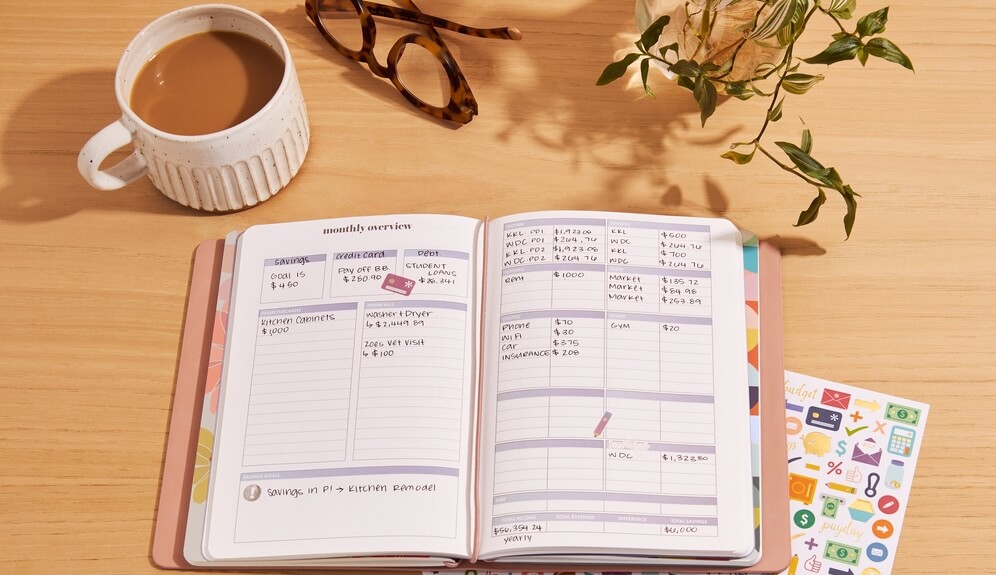
Expenses can be tracked using budgeting apps, spreadsheets, and bank statements. A thorough examination of your spending habits frequently shows areas where money is being wasted.
Step 3: Select a Budgeting Method
Although there are several budgeting strategies available, newcomers frequently find the 50/30/20 rule to be straightforward and practical. 50% needs, 30% wants, and 20% savings/debt
The 50/30/20 Rule Explanation
- 50% for necessities such as housing, food, utilities, and transportation.
- 30% for Wants: entertainment, dining out, hobbies, and lifestyle purchases.
- 20% for Savings and Debt Repayment: emergency funds, investments, and debt repayment.
This method offers a balanced approach to spending and saving.
Step 4: Minimise unnecessary spending.
After examining your expenses, seek ways to cut costs. Small modifications can result in substantial savings over time. Some practical strategies to save costs include:
- Cooking meals at home
- Cooking meals at home
- Cancelling unneeded subscriptions
- Shopping with a list
- Avoiding spontaneous purchases.
- Using public transit wherever possible
Reducing unnecessary expenditure does not imply giving up fun. It just entails making better financial decisions.
Step 5: Create an Emergency Fund.
- Unexpected expenses may occur at any time. If you are not prepared, you can quickly face financial troubles from medical expenditures, car repairs, or job loss.
- An emergency fund provides financial security in challenging conditions. Financial gurus frequently advocate accumulating at least three to six months’ worth of living expenses.
- Start small if required. Even small amounts of money saved on a regular basis can add up over time.
Step 6: Set Financial Objectives
When you have specific financial goals, budgeting becomes more motivating. Setting goals helps you stay focused and disciplined. Financial goals include:
- Debt repayment
- Purchasing a Vehicle
- Setting up a business
- Retirement savings
- Traveling
- Purchasing a house
Break down goals into: Objectives for the near future, mid-term objectives, and objectives for the future. Having a goal for your money increases consistency and dedication.
COMMON BUDGETING MISTAKES TO AVOID.
Many novices make blunders that can undermine their budgeting attempts. Understanding these typical mistakes will help you stay focused.
Ignoring Small Costs. Small daily purchases, such as snacks, coffee, or online subscriptions, may appear insignificant, but they can accumulate dramatically over time.
Setting Unrealistic Objectives
- Trying to save too much too soon may result in frustration.
Failing to track spending
- A budget is only effective if you routinely track your expenses. Weekly or monthly financial reviews might help you discover problems early on.
Not adjusting the budget
- Life conditions change. Your budget should be flexible and adaptable to changes in income, expenses, or priorities.
Relying Too Much on Credit Cards
- Improper credit card use can lead to long-term debt troubles. Focus on spending money that you can afford to repay.
The Best Budgeting Tools for Beginners
Budgeting has never been simpler thanks to technological advancements. Many tools exist to assist with spending, tracking, and money management. Popular budgeting options include the following:
- Mobile budget applications
- Spreadsheet templates
- Banking tools.
- Expense tracker
Choose a system that feels straightforward and easy to maintain on a consistent basis.
Tips for Sticking to Your Budget.
Budgeting success is based on discipline and consistency. Here are a few practical suggestions:
- Review your budget on a frequent basis
- Automate savings when possible.
- Celebrate small financial accomplishments
- Don’t compare yourself to others.
- Concentrate on long-term progress
Budgeting is a gradual process. Financial growth necessitates time and patience.
Final Thoughts
Personal budgeting is one of the most solid foundations for financial success. It enables you to better understand your spending habits, decrease financial stress, save consistently, and plan for future goals. Although budgeting may appear difficult at first, the benefits become clear over time. The key to good budgeting is consistency. When implemented on a regular basis, even minor financial gains can have a significant long-term impact. You may construct a more secure and stable future by developing a realistic budget, tracking your expenses, and making sound financial decisions.
Start with a simple plan, stay diligent, and gradually improve your financial habits.